Holiday Inn Express Colton-Riverside North
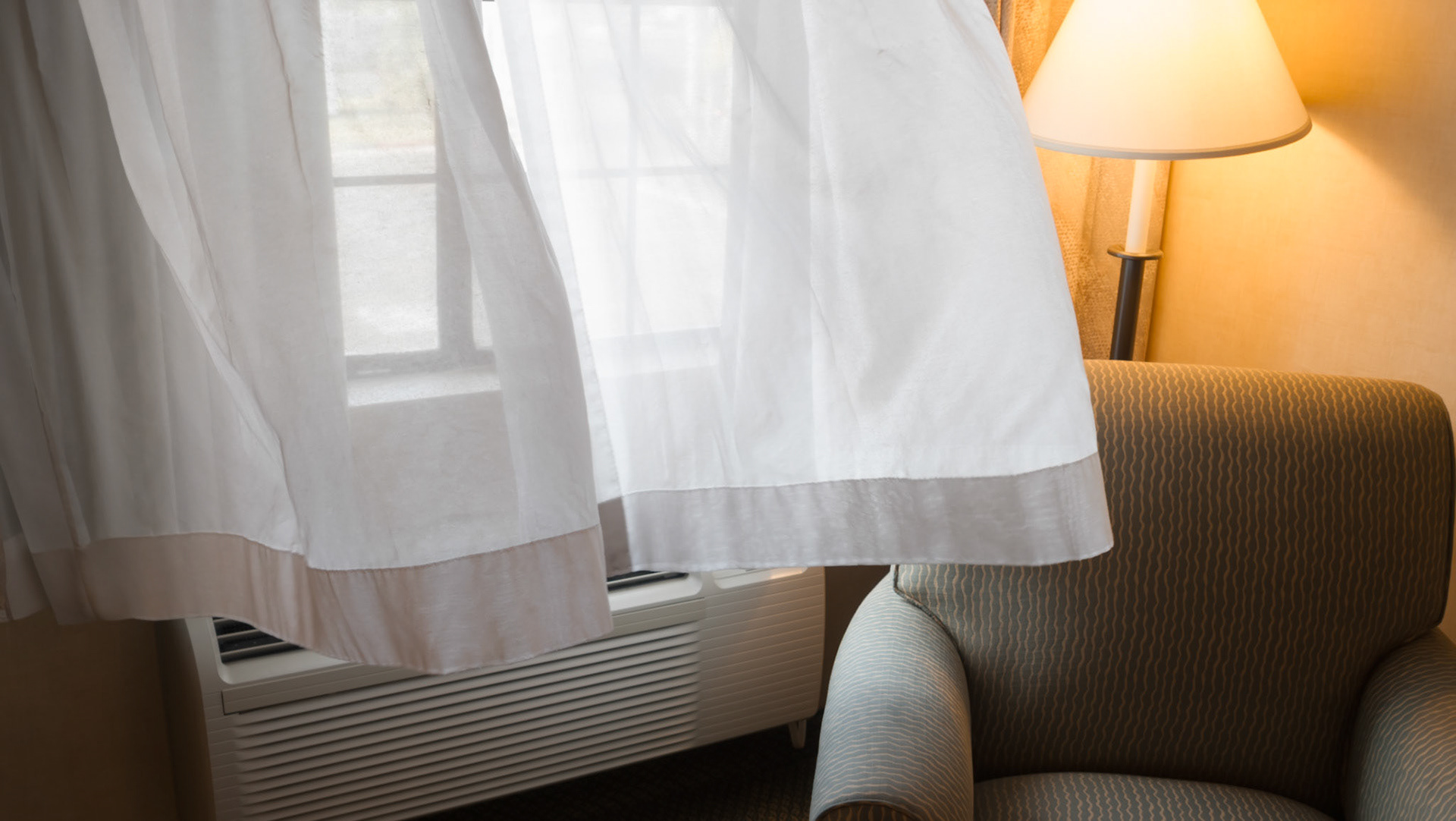
Whenever I am alone in a hotel room, especially when I am lying back on the bed and looking out the window, I often find myself thinking about Eugene O’Neill, his life, and the last words he is said to have spoken.
O’Neill helped bring American theater to the level of modern literature. He moved away from the melodramas and popular entertainments that had long dominated the American stage and began putting things like love and hatred within families, addiction, guilt, failure, and self-deception on stage. He won four Pulitzer Prizes, and in 1936 became the first American playwright to receive the Nobel Prize in Literature. But his own life seems strangely fitting for a famous line later attributed to his son-in-law:
“Life is a tragedy when seen in close-up, but a comedy in long shot.”
Eugene O’Neill was born on October 16, 1888, in a room at the Barrett House, a hotel at Broadway and 43rd Street in New York City. His father, James O’Neill, was a well-known stage actor, and his mother, Ella Quinlan O’Neill, came from a prosperous family. After a difficult childbirth, Ella was given morphine for the pain and became addicted to it. It was a problem that would trouble her and the family for many years. Because of his father’s touring career, Eugene spent much of his childhood moving from place to place, often staying in hotels and boarding houses, while growing up around the conflict and unhappiness between his parents.
In fact, tragedy was already part of the O’Neill family before Eugene was even born. His brother Edmund died of measles when he was only a year and a half old. Their mother came to believe that her eldest son, Jamie, had deliberately exposed the child to the disease. Edmund’s death left the family with guilt, resentment, and blame that never really went away. Jamie would spend much of his life struggling with severe alcoholism. His father died in 1920, his mother in 1922, and Jamie followed in 1923.
Eugene entered Princeton but did not stay long. Afterward, he spent years drifting from one place to another. He worked at sea, traveled through South America, took odd jobs, drank heavily, and at times came close to rock bottom. Eventually, tuberculosis sent him to a sanatorium. During his recovery, he began to take playwriting seriously.
Years later, the troubled family he had grown up in would appear again as the Tyrone family in *Long Day’s Journey into Night*, now widely regarded as his masterpiece. It is difficult to read the play without feeling that O’Neill was looking back at his own family, and at himself, with an almost painful degree of honesty.
The family he later made for himself was no happier. His eldest son, Eugene O’Neill Jr., took his own life in 1950. His second son, Shane, struggled with addiction and became estranged from his father after being arrested for heroin possession. His daughter Oona had hardly seen her father while growing up. In 1943, at the age of eighteen, she married Charlie Chaplin, who was fifty-four at the time and only about six months younger than Eugene O’Neill himself. Oona became Chaplin’s fourth and final wife. O’Neill was furious about the marriage, disowned his daughter, and never saw her again.
In his final years, a neurological illness caused severe tremors in his hands until he could no longer write. On November 27, 1953, at the age of sixty-five, Eugene O’Neill died in Room 401 of the Shelton Hotel in Boston, with his wife Carlotta beside him. Near the end, he is said to have raised himself slightly and whispered a few words that seem to sum up his life almost too perfectly:
“Born in a hotel room, and goddamn it, died in a hotel room.”
호텔 방에 혼자 있을 때면, 특히 침대에 비스듬히 누워 창밖으로 시선을 던질 때면, 나는 종종 유진 오닐의 삶과 그가 마지막으로 남긴 말을 떠올리곤 한다.
그는 미국 연극을 현대문학의 수준으로 끌어 올렸었다. 그 전까지 미국 연극에 흔했던 멜로드라마와 오락극에서 벗어나 가족의 증오와 사랑, 중독, 죄책감, 실패, 자기기만 같은 문제를 무대 위에 올렸다. 네 차례 퓰리처상을 받았었고, 1936년에는 미국 극작가로서는 최초로 노벨문학상을 수상했다. 그러나 그의 인생은, 훗날 그의 사위가 남긴 유명한 말처럼,
"인생은 가까이에서 보면 비극이지만, 멀리서 보면 희극이다." 에 걸맞는 삶이었다.
유진 오닐은 1888년 10월 16일, 뉴욕 브로드웨이와 43번가에 있던 Barrett House라는 호텔의 한 객실에서 태어났다. 아버지 James O’Neill은 당대의 유명한 무대 배우였고, 어머니 Ella Quinlan O’Neill은 비교적 부유한 집안 출신이었다. 힘겨운 출산 뒤 통증을 줄이기 위해 모르핀을 투여받은 Ella는 이후 모르핀에 중독되었고, 그 문제는 오랫동안 그녀와 가족을 괴롭혔다. 아버지가 순회공연을 다녔기 때문에 Eugene은 어린 시절의 많은 시간을 호텔과 하숙집을 전전하며 보냈고, 그 과정에서 부모의 갈등과 가족의 불행을 지켜보며 자랐다.
사실 비극은 Eugene이 태어나기 전부터 이미 O’Neill 가족 안에 자리 잡고 있었다. 그의 형 Edmund는 생후 불과 1년 반 만에 홍역으로 죽었다. 어머니는 큰아들 Jamie가 일부러 어린 동생을 홍역에 노출시켰다고 믿게 되었고, Edmund의 죽음은 가족에게 깊은 죄책감과 원망, 분노를 남겼다. Jamie는 평생 심한 알코올중독에 시달렸으며, 아버지가 1920년, 어머니가 1922년에 세상을 떠난 뒤 1923년에 죽었다.
Eugene은 Princeton University에 입학했지만 오래 머물지 못했다. 이후 선원으로 일하고 남미를 떠돌며 여러 잡일을 하는 등 불안정한 삶을 살았다. 술을 많이 마셨고, 때로는 삶의 밑바닥 가까이까지 내려가기도 했다. 그러던 중 결핵에 걸려 요양원에 들어가게 되었고, 그곳에서 회복하는 동안 본격적으로 희곡을 쓰기 시작했다. 훗날 그의 어린 시절 가족은 거의 모습을 감추지 않은 채 *밤으로의 긴 여로* 의 Tyrone 가족으로 다시 태어났다. 이 작품은 오늘날 그의 최고 걸작으로 평가받는다.
하지만 그가 스스로 만든 가족 역시 행복하지 못했다. 큰아들 Eugene O’Neill Jr.는 1950년 스스로 목숨을 끊었다. 둘째 아들 Shane은 약물중독에 시달렸고 헤로인 소지로 체포된 뒤 아버지와 멀어졌다. 어린 시절부터 아버지를 거의 보지 못했던 딸 Oona는 1943년 Charlie Chaplin과 결혼했다. 당시 Oona는 열여덟 살, Chaplin은 쉰네 살이었으며, Chaplin은 Eugene O’Neill 자신보다 불과 약 6개월 어린 사람이었다. Oona는 Chaplin의 네 번째이자 마지막 부인이 되었다. 이 결혼에 격노한 O’Neill은 딸과 절연했고, 이후 죽을 때까지 그녀를 다시 만나지 않았다.
말년에는 신경계 질환으로 심한 손떨림이 생겨 결국 더 이상 글을 쓸 수 없게 되었다. 1953년 11월 27일, 유진 오닐은 보스턴의 Shelton Hotel 401호에서 65세의 나이로 세상을 떠났다. 곁에는 아내 Carlotta가 있었다. 죽음을 앞두고 그는 몸을 조금 일으킨 뒤, 자신의 일생을 잔인할 만큼 정확하게 요약하는 듯한 말을 거의 들리지 않는 목소리로 남겼다고 전해진다.
“호텔방에서 태어나더니 제기랄 호텔방에서 죽는군.”
August 26, 2026